QwenCloud's September 2, 2026 model changelog introduces qwen3.8-max-0902 as an upgraded snapshot of qwen3.8-max. The page also lists the alias qwen3.8-max-2026-09-02. That naming matters: this looks like a traceable snapshot update rather than a separate model family. Teams adopting it should pin a version, preserve a test baseline, and decide deliberately when to follow the alias.
The update first targets engineering-scale projects and long-horizon autonomous development. QwenCloud is describing more than isolated code generation: larger repositories, more dependencies, and engineering work that requires repeated correction. The hard part for these agents is usually state management, architectural context, tool allocation, failure recovery, and verification before delivery—not only the quality of one generated code block.
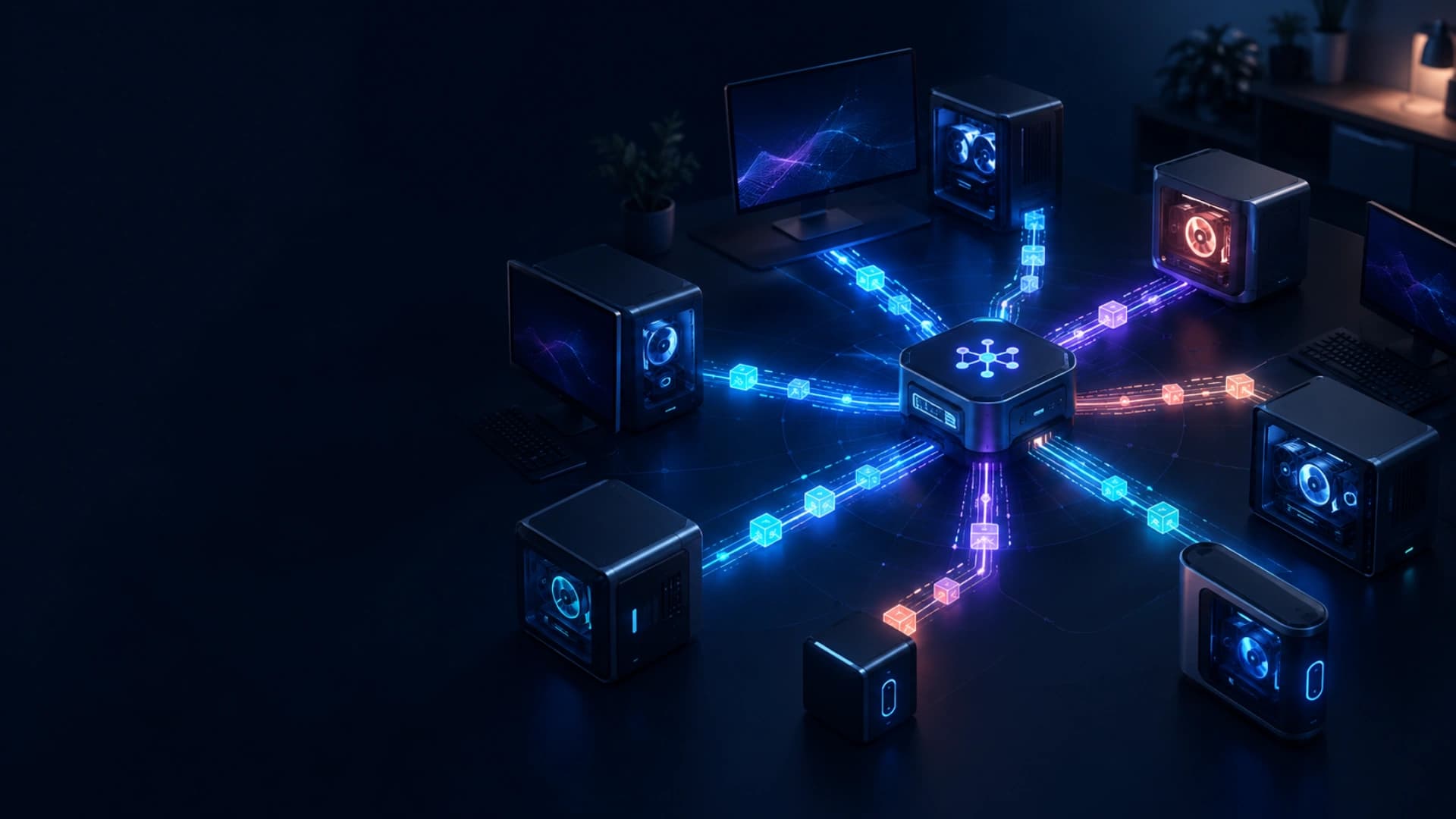
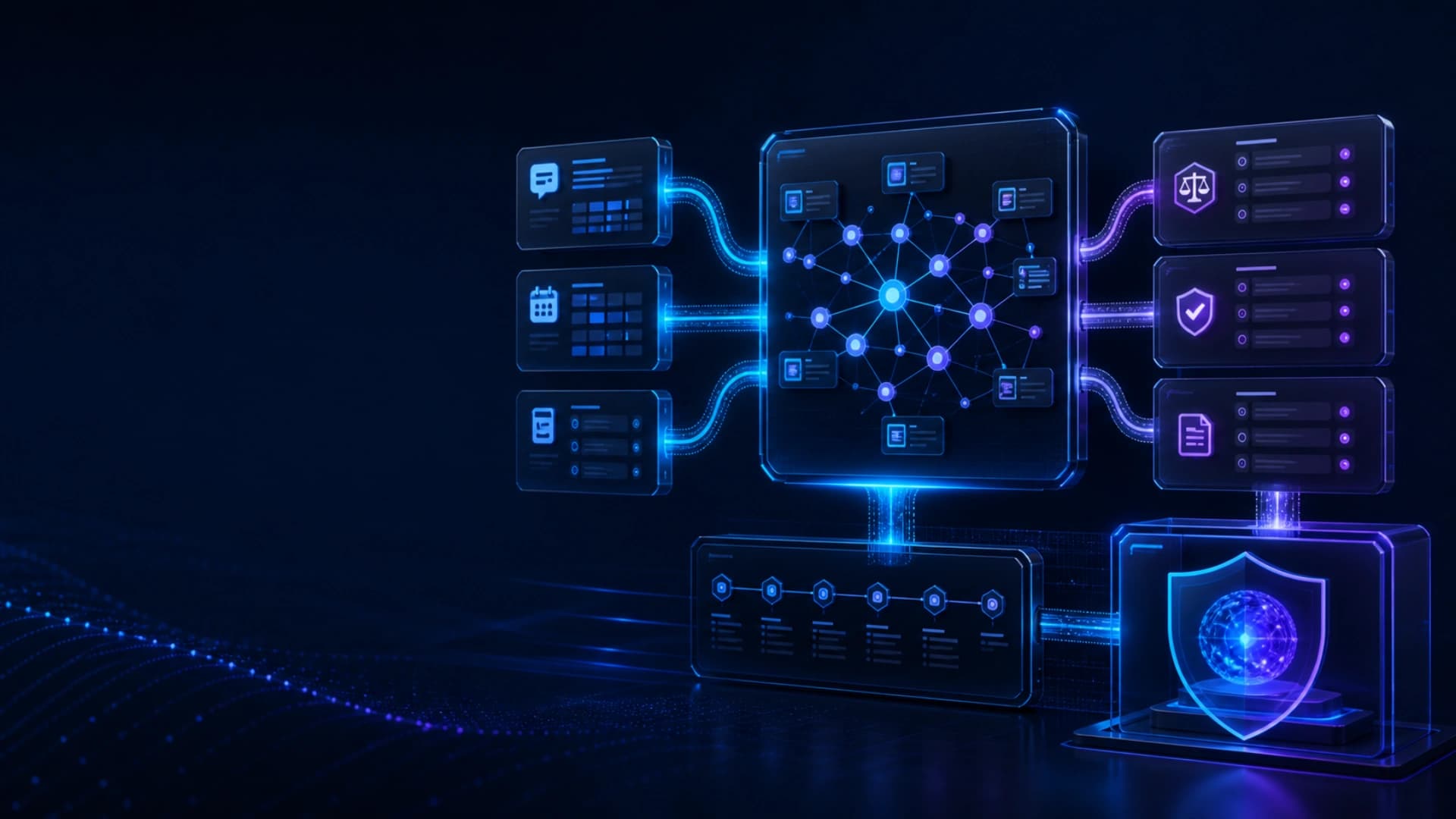
QwenCloud also says 0902 improves collaborative agents, multi-tool orchestration, and end-to-end task delivery. That has a practical enterprise-workflow implication. One agent can plan, another can handle documents or tests, and the tool layer can execute actions and return evidence. Collaboration does not remove accountability, though. Production systems still need least-privilege tools, input and output logs, bounded parallel actions, and approval points before merges, deployments, or data changes.
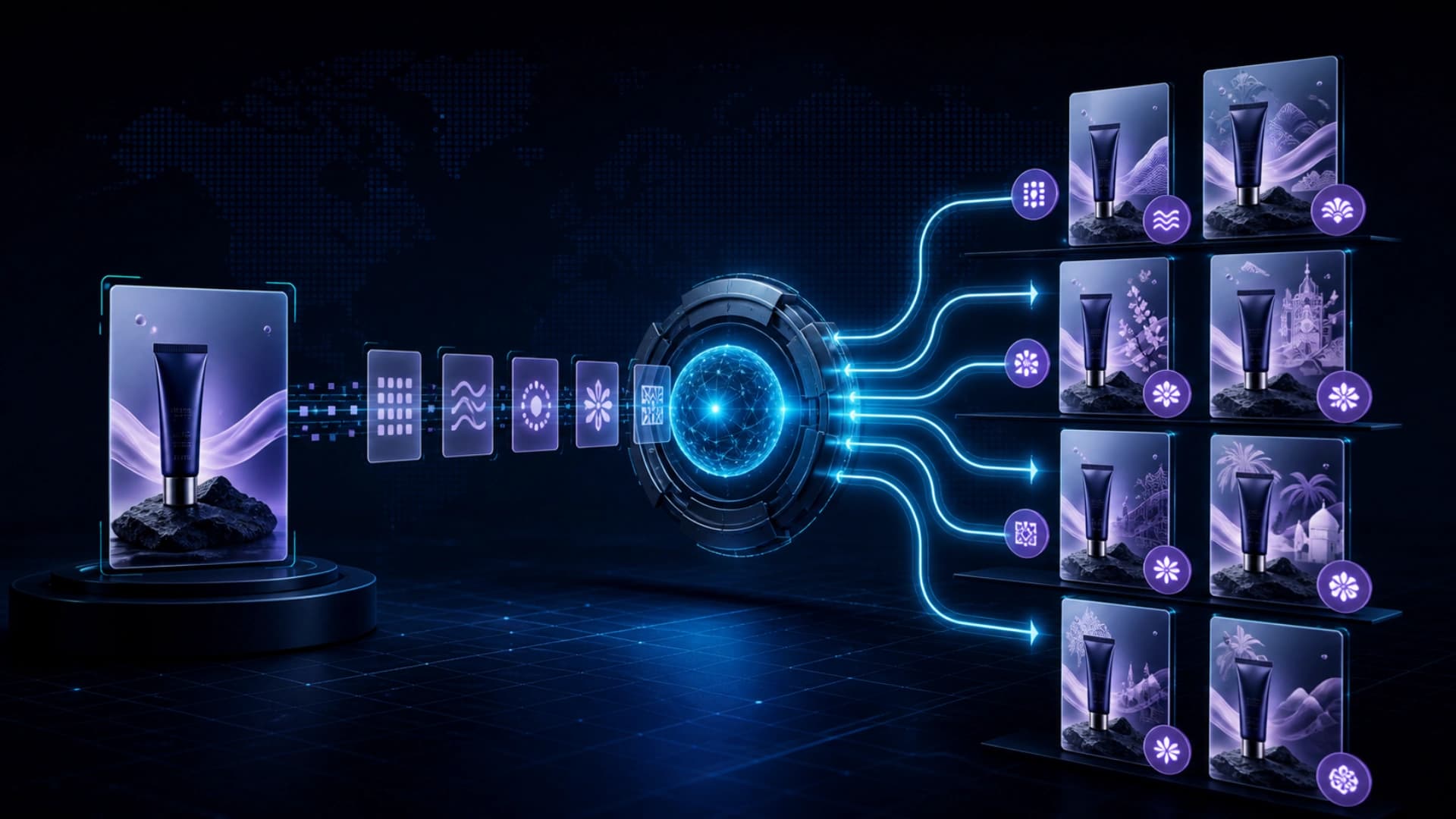
The other notable change is native vision. QwenCloud says the model improves chart reasoning, document parsing, and multimodal perception. A single workflow can therefore bring code, charts, documents, and visual inputs into a closer reasoning context for engineering reports, design specifications, error screenshots, and acceptance evidence. The real test remains the team's own file formats, table density, languages, and image quality; the phrase native vision is not a substitute for evaluation.
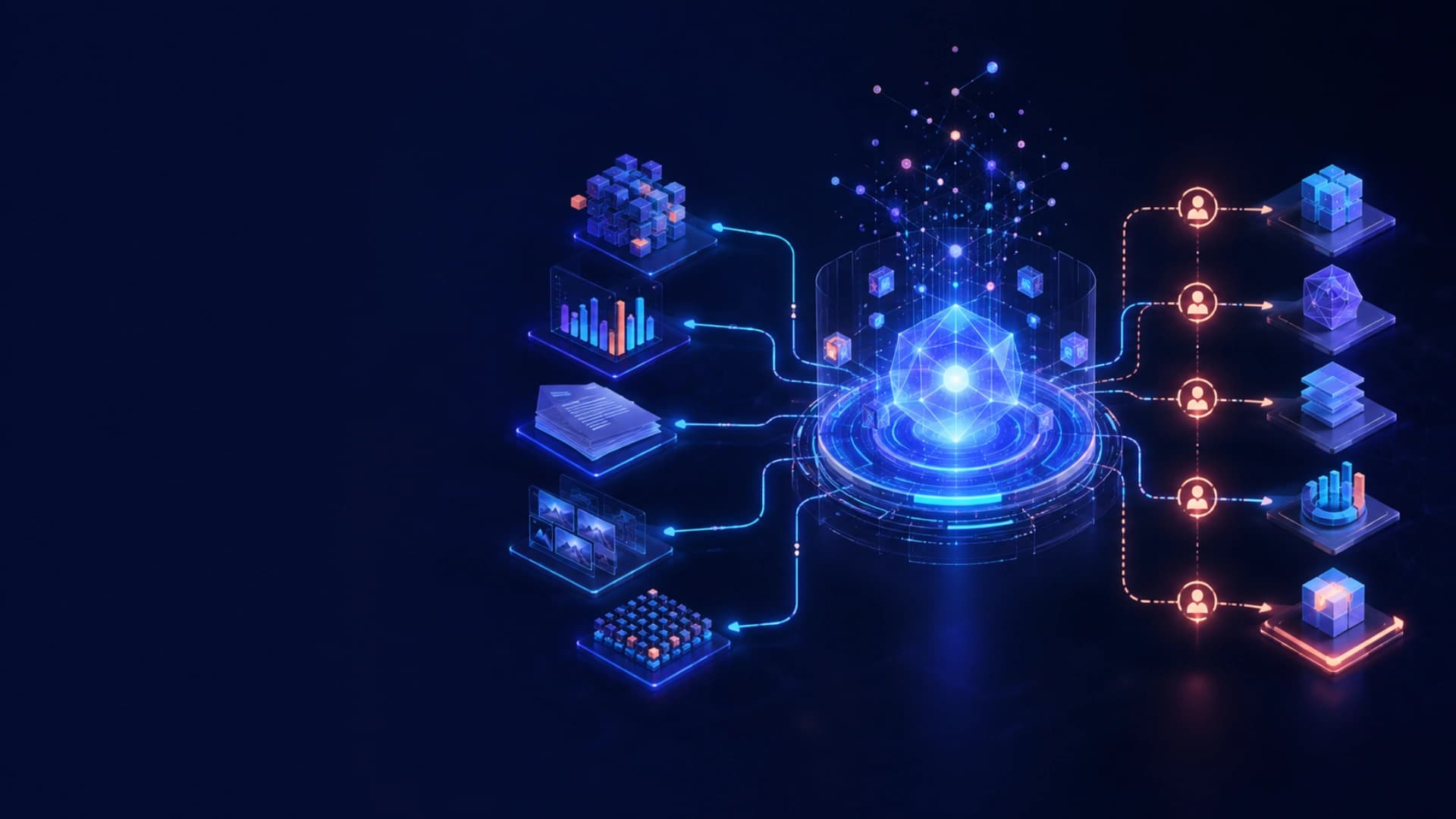
The retained capabilities also carry operating costs. QwenCloud says 0902 keeps a 1M-token context window, thinking mode, and the full tool ecosystem. Long context can preserve more repository or document background, but retries, tool turns, and reasoning tokens can increase latency and spend. Engineering teams should split work into recoverable stages with summaries, checkpoints, a maximum tool-turn budget, and human takeover instead of sending an entire project to one agent run.
Because this is a changelog update, QwenCloud's feature description is a vendor claim. Before adoption, teams should compare the old snapshot and 0902 on their own coding, document, chart, and tool tasks, measuring completion, error types, token use, latency, and human intervention. Alias changes, API schema, fallbacks, data retention, and regional availability also deserve tests. For long-running agents, reproducible versions can matter as much as benchmark scores.
The signal from qwen3.8-max-0902 is that model providers are turning "can write code" into an engineering system that can collaborate, call tools, and deliver an outcome. The first adoption decision should be which steps may run automatically, which outputs need human review, and what evidence a completion decision must leave behind. Once those boundaries are explicit, long context and multi-agent coordination can move from demo behavior to a manageable workflow.