The hard part of an enterprise AI agent is rarely writing a prompt. It is connecting role, skills, tools, permissions, testing, and deployment into a workflow that can be managed. On August 17, 2026, Resolve announced the next generation of AgentLab, positioning it as a platform for building, testing, governing, and deploying enterprise agents. This is the company's own product announcement; the feature descriptions below reflect Resolve's public claims and are not independent test results.
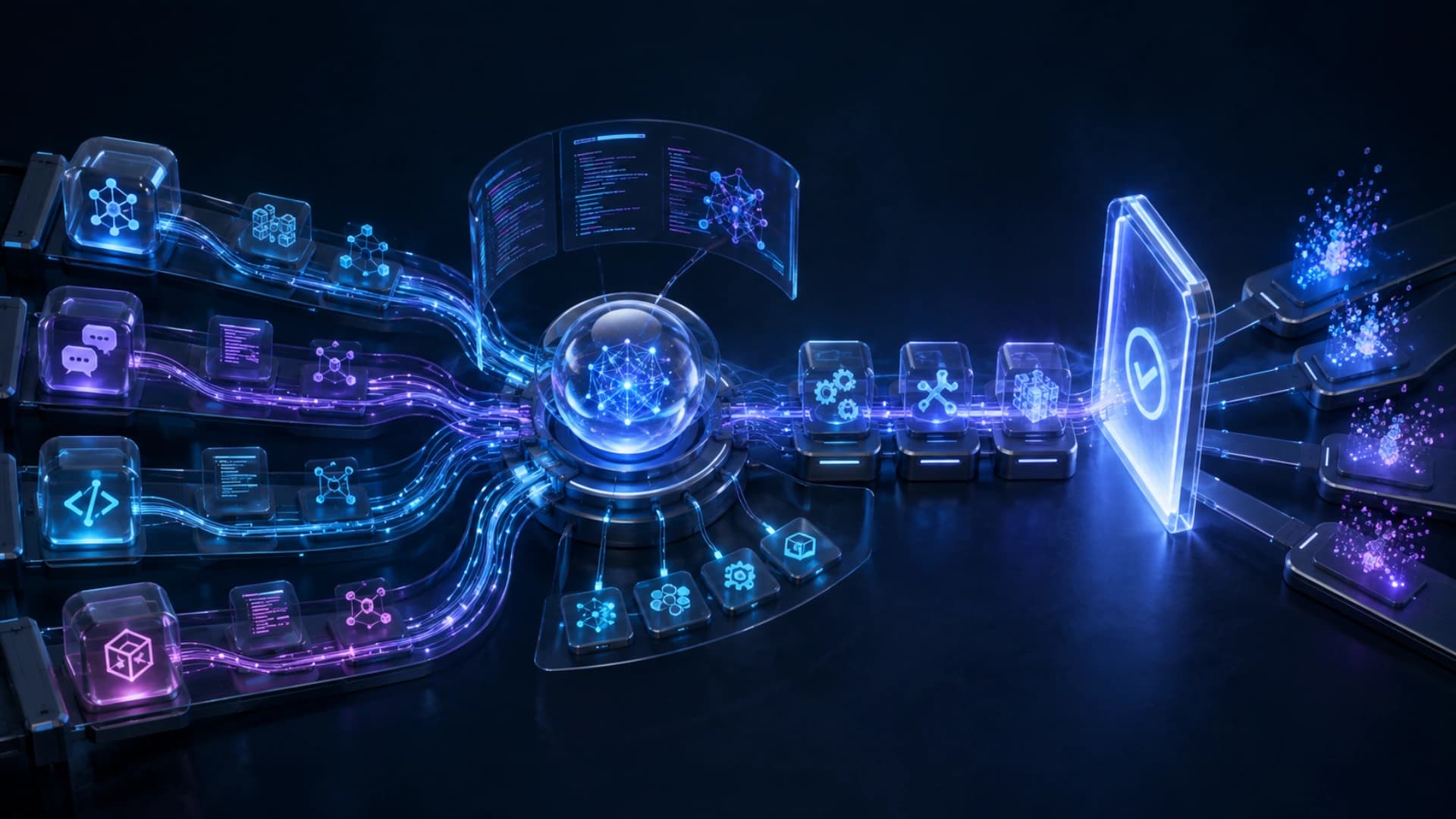
Resolve says AgentLab brings natural-language agent creation, reusable skills, AI-assisted workflow building, and governance-aware deployment into one platform. Teams can define an agent's role, responsibilities, department, operating boundaries, and guardrails in natural language, then connect skills and workflows to enterprise systems already managed through Resolve orchestration. For teams that do not want to script every integration from scratch, the design shifts attention from how to wire an agent to which work it should be allowed to perform.
The announced Advanced Agent Studio lets teams configure an agent's role and boundaries with plain-language instructions. Skill and Workflow Building can save workflows created through Jarvis as callable skills, allowing a custom agent to recommend next steps or take action through Resolve orchestration when enabled. An Improve Prompt feature is described as helping teams strengthen agent instructions so the role and use case are clearer and more consistent.
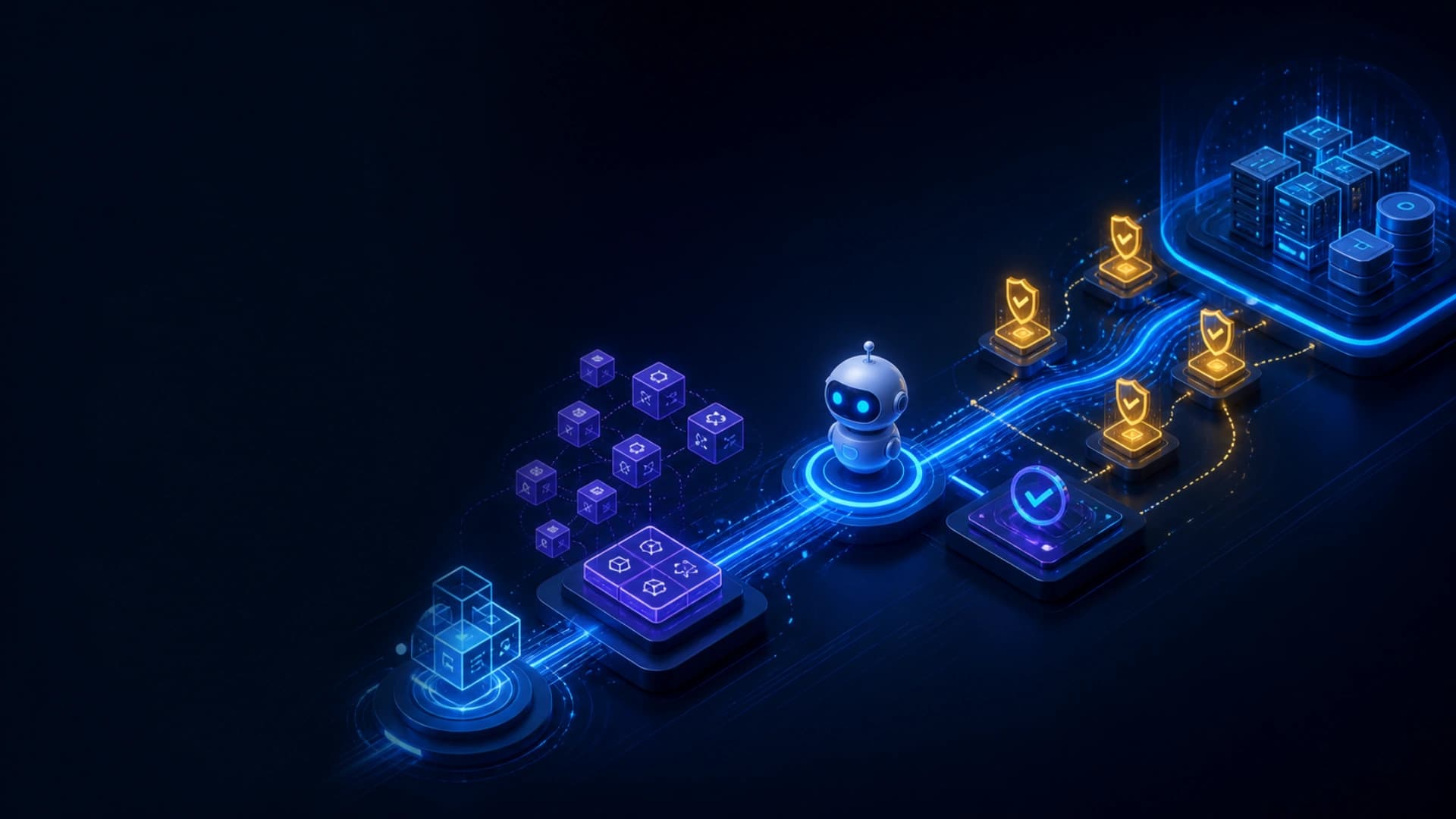
Governance is the more consequential part of the announcement. Resolve says that agents connected to action skills and workflows can inherit guardrails and controls configured in its deterministic orchestration engine. Agent testing and permission confidence are intended to let teams test behavior, roles, and permissions before expanding use. That build-test-deploy sequence is closer to the delivery process enterprises need than dropping a conversational bot directly into production.
However, a platform having governance features does not complete the governance work. An enterprise still has to define which actions are high risk, which tools are read-only, which data must stay within a boundary, and when human approval is mandatory. Testing should cover more than the happy path. It should include insufficient permissions, tool errors, incomplete context, duplicate execution, and unavailable downstream systems.
The product signal from an AI workflow perspective is the decomposition of an agent into deliverable layers: role and boundaries, reusable skills, connectable workflows, runtime guardrails, pre-release testing, and permission confidence for wider deployment. That model is not specific to Resolve. It is also a useful checklist for an internal agent platform: does each layer have an owner, test evidence, version history, and a recovery method?
Resolve's announcement does not provide an independent benchmark, customer outcome dataset, or third-party evaluation, so claims about accelerating construction or supporting autonomous operations should not be treated as general proof. A more defensible reading is that enterprise-agent products are increasingly putting build tooling and governance tooling in the same product story. Whether an agent can be deployed safely will still depend on permission design, exception handling, execution records, and a clear human accountability chain.