

Insights & News
Ideas on websites, AI automation, digital marketing, AI news, and VMTS updates.
MODULE.001 //
All posts
Ideas on websites, AI automation, digital marketing, AI news, and VMTS updates.

Grok Bot expands access as xAI turns agents into digital teammates with jobs
xAI is expanding Grok Bot to SuperGrok Plus, Cursor Pro+, and all Cursor Teams plans, positioning bots as cloud-computer teammates that work across apps and return for approval when judgment is needed.
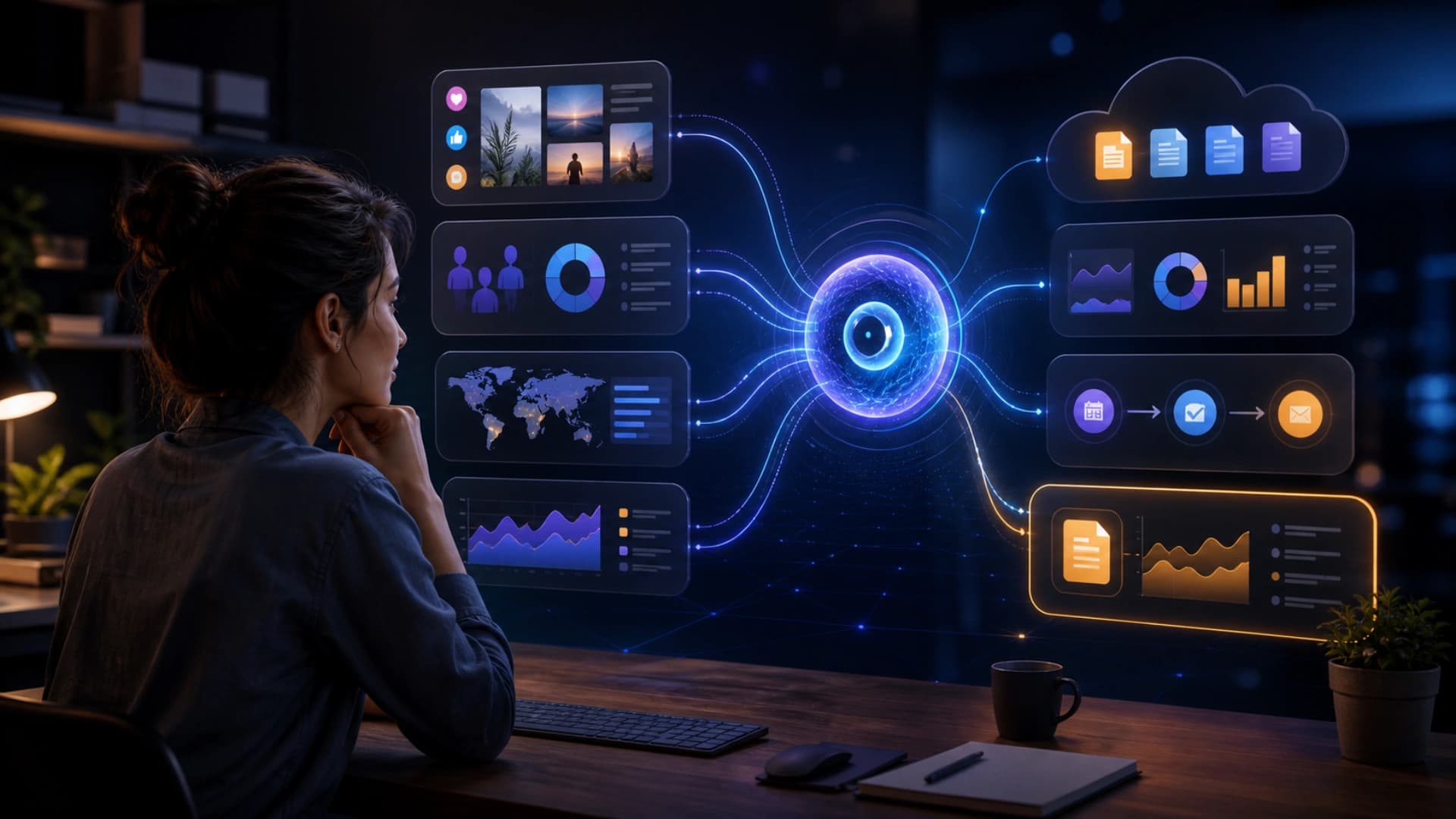
Meta AI connects social, advertising, and Google Workspace data for small-business workflows
Meta is rolling out small-business features that let users connect Instagram, Facebook, Meta Ads, and Google Workspace to analyze performance, create business documents, and schedule recurring tasks.

OpenAI adds cross-interaction safety signals to its Zero Data Retention direction
OpenAI is previewing Private Safety Processing for eligible Zero Data Retention API customers, aiming to detect safety patterns across long agentic interactions without exposing prompts or responses to OpenAI personnel.
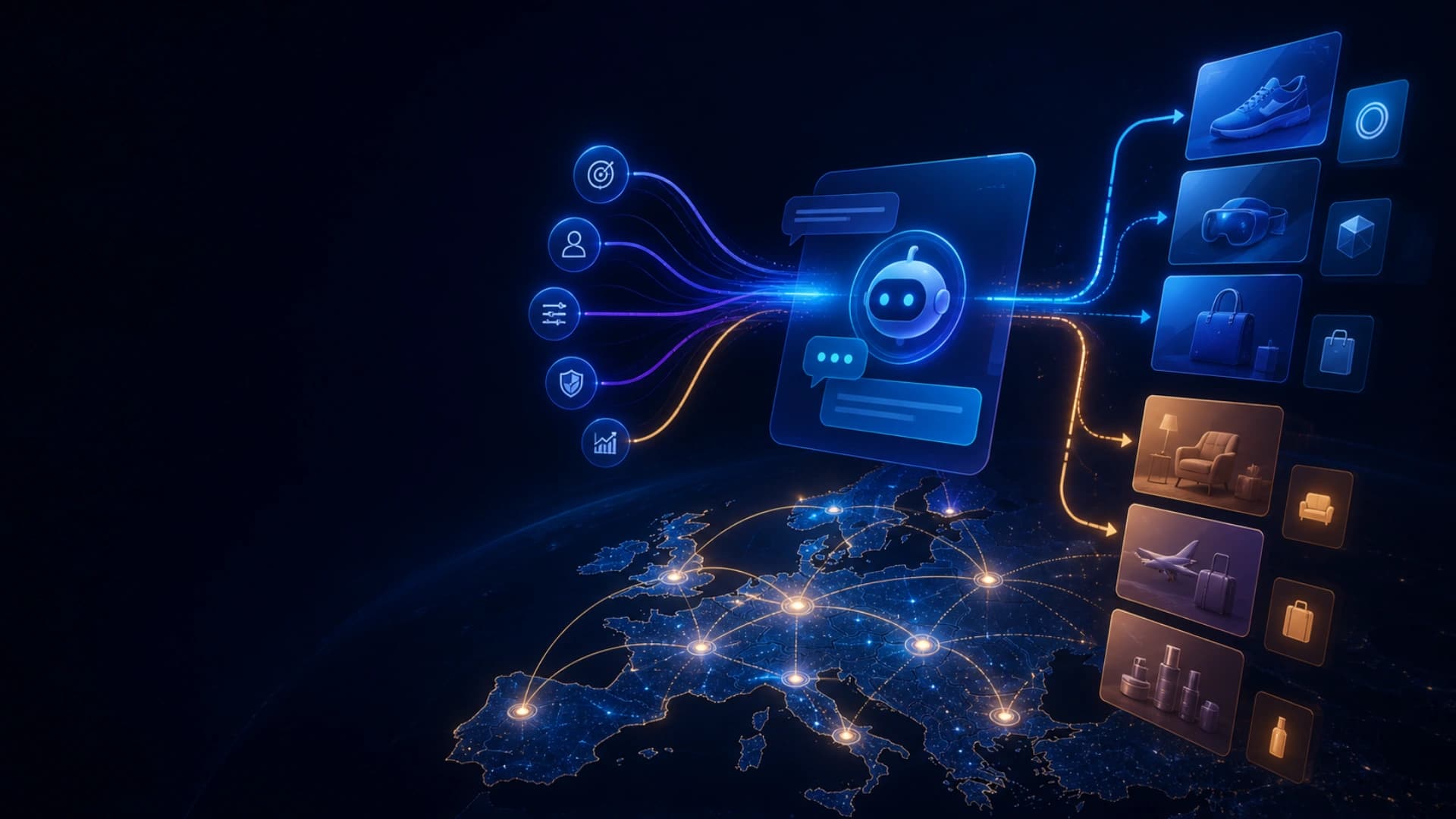
ChatGPT Ads reach 31 European markets as AI marketing moves closer to decisions
OpenAI is expanding ChatGPT Ads to 31 European markets, with clearly labeled ads for Free and Go users and conversion-oriented tools for marketers.
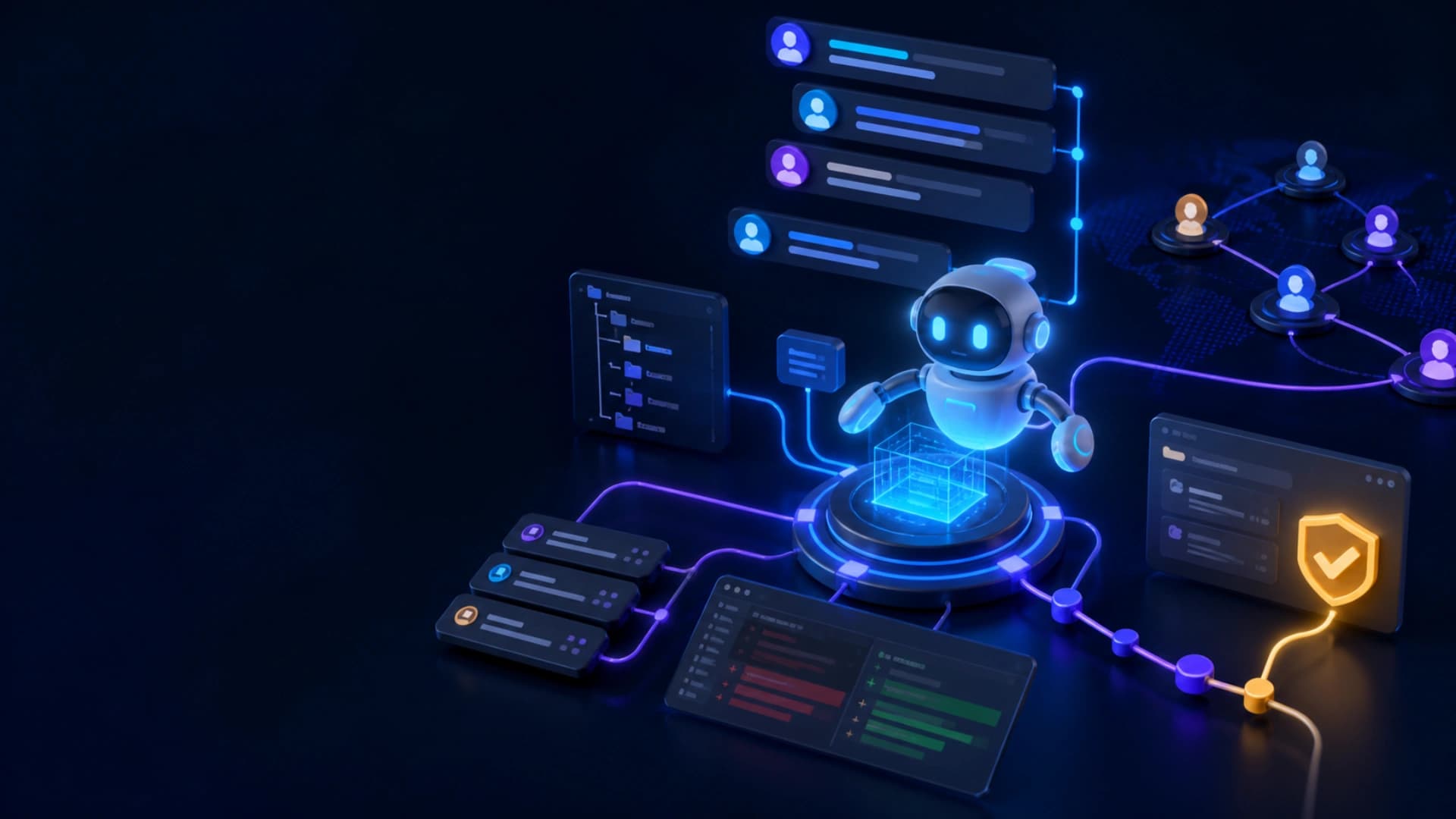
GitHub Copilot enters Slack as shared agents move from conversation to pull requests
GitHub is previewing an agentic Copilot experience in Slack, allowing teams to use @GitHub in DMs, channels, and threads to triage issues, investigate work, implement changes, validate results, and open pull requests.
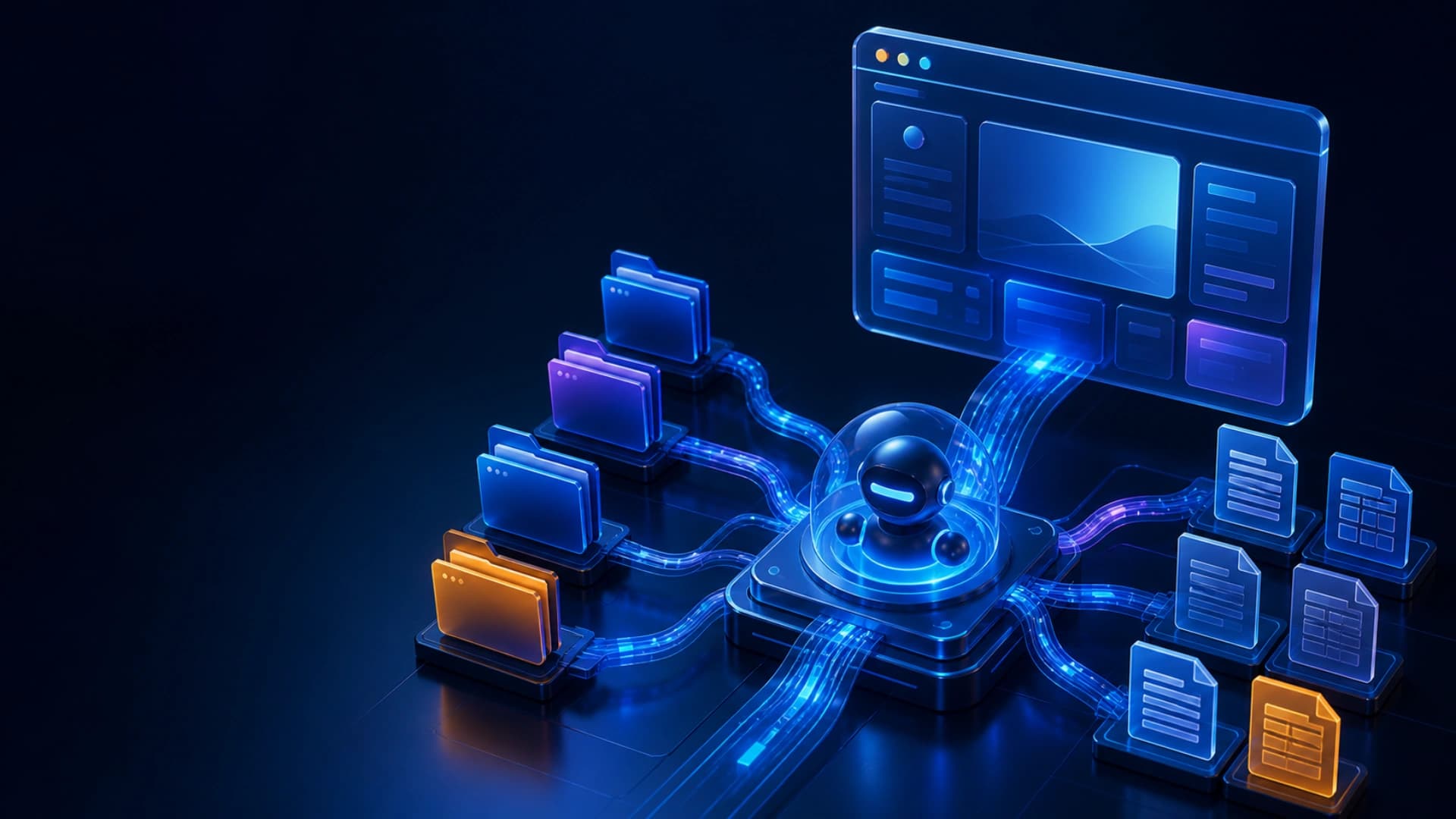
Anthropic makes Computer Use, Skills API, and Files API generally available
Anthropic's August 20 Claude Platform release makes Computer Use, browser use, the Skills API, and the Files API generally available for production agent workflows.

A task-aware harness can give mission-critical agents less by default
A new arXiv study proposes map-guided escalation: start an infrastructure agent with a task-specific harness and expand information and tools only after a failed self-check.
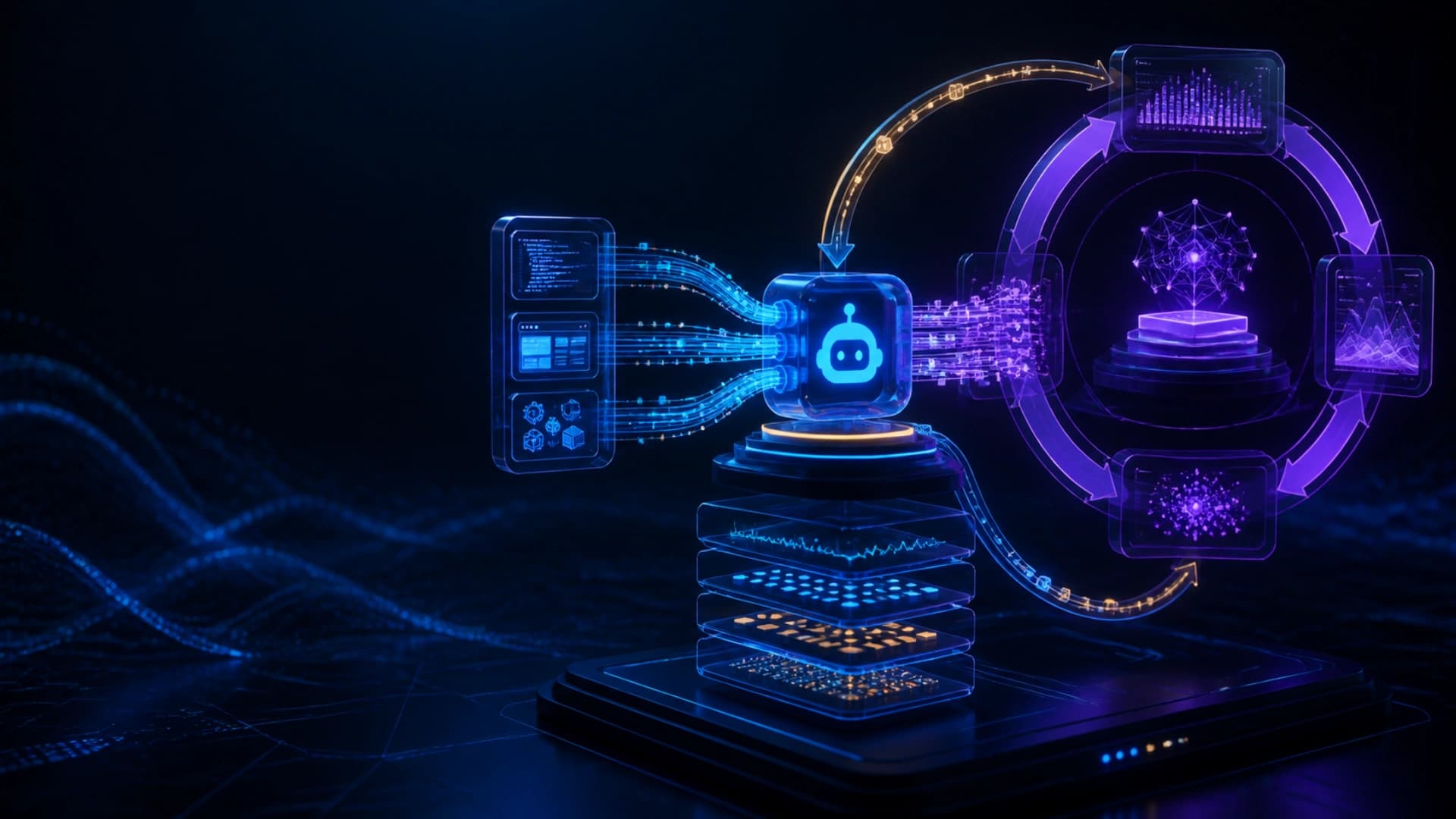
Agent Lightning v1.0 puts the agent harness inside agentic RL
Agent Lightning v1.0 treats the deploy-time agent harness as a first-class part of agentic RL, with a reproducible workflow that reports Qwen3.5-9B improving from 41.8% to 56.4% on SWE-bench Verified.

RaivenTracks gives AI scientific workflows a branchable decision history
A new arXiv study adds branching provenance to conversational scientific visualization so researchers can restore validated specifications instead of reconstructing context from a transcript.

A study maps the EU AI Act into 12 Agile workflow practices
A new arXiv paper translates documentation, risk management, and human oversight requirements into 12 practices that can connect to Definition of Done, Sprint Reviews, and other Agile events.

Enterprise agent governance is more than transparency: an AMCIS workflow study
An AMCIS 2026 design-science study compares five governance configurations built around autonomy calibration, human-agent teaming, and embedded machine-learning guardrails.
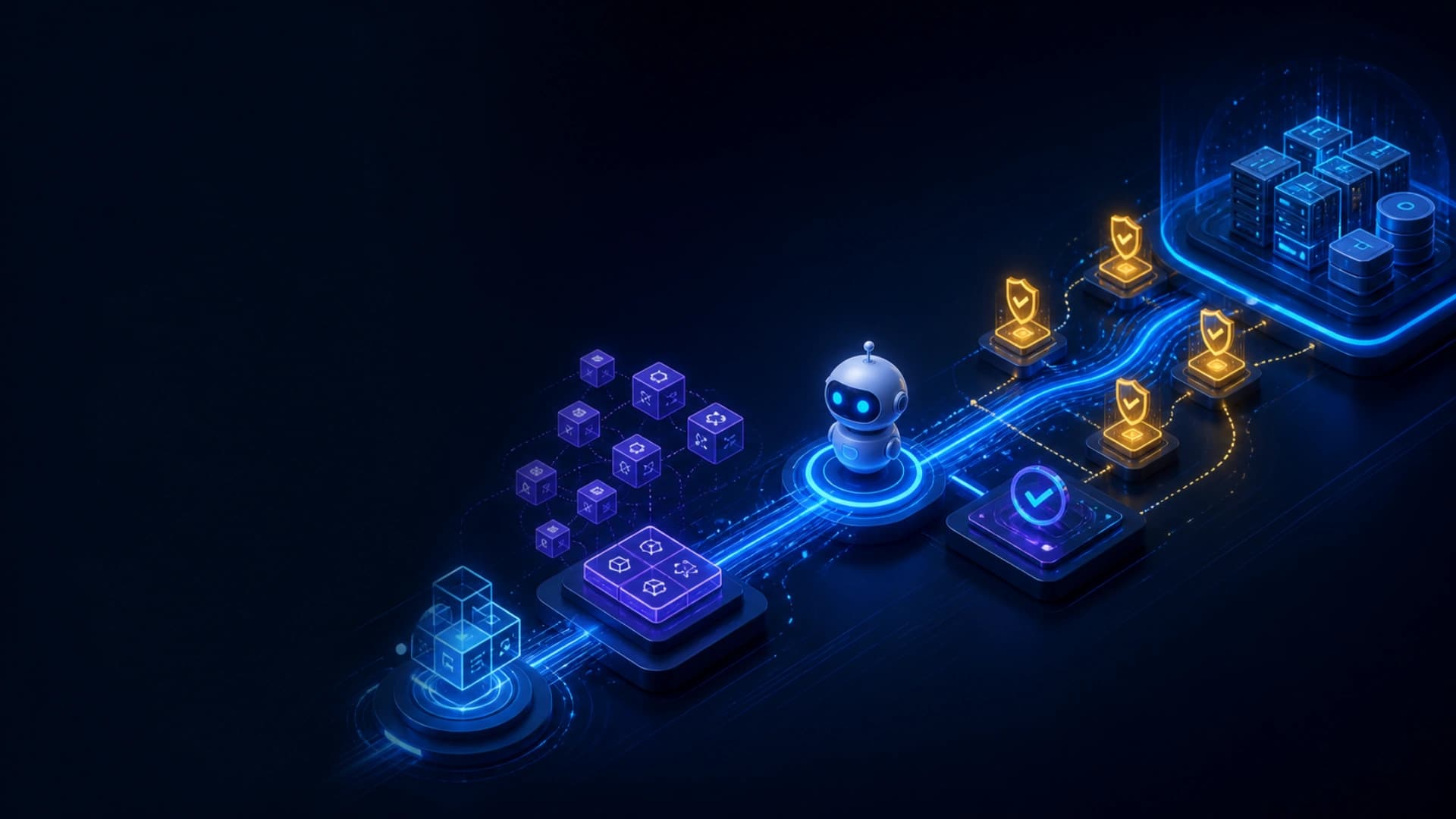
Resolve launches AgentLab for building, testing, and governing enterprise agents
Resolve's August 17 announcement puts natural-language agent creation, reusable skills, AI-assisted workflows, governed deployment, and permission testing in one enterprise platform.
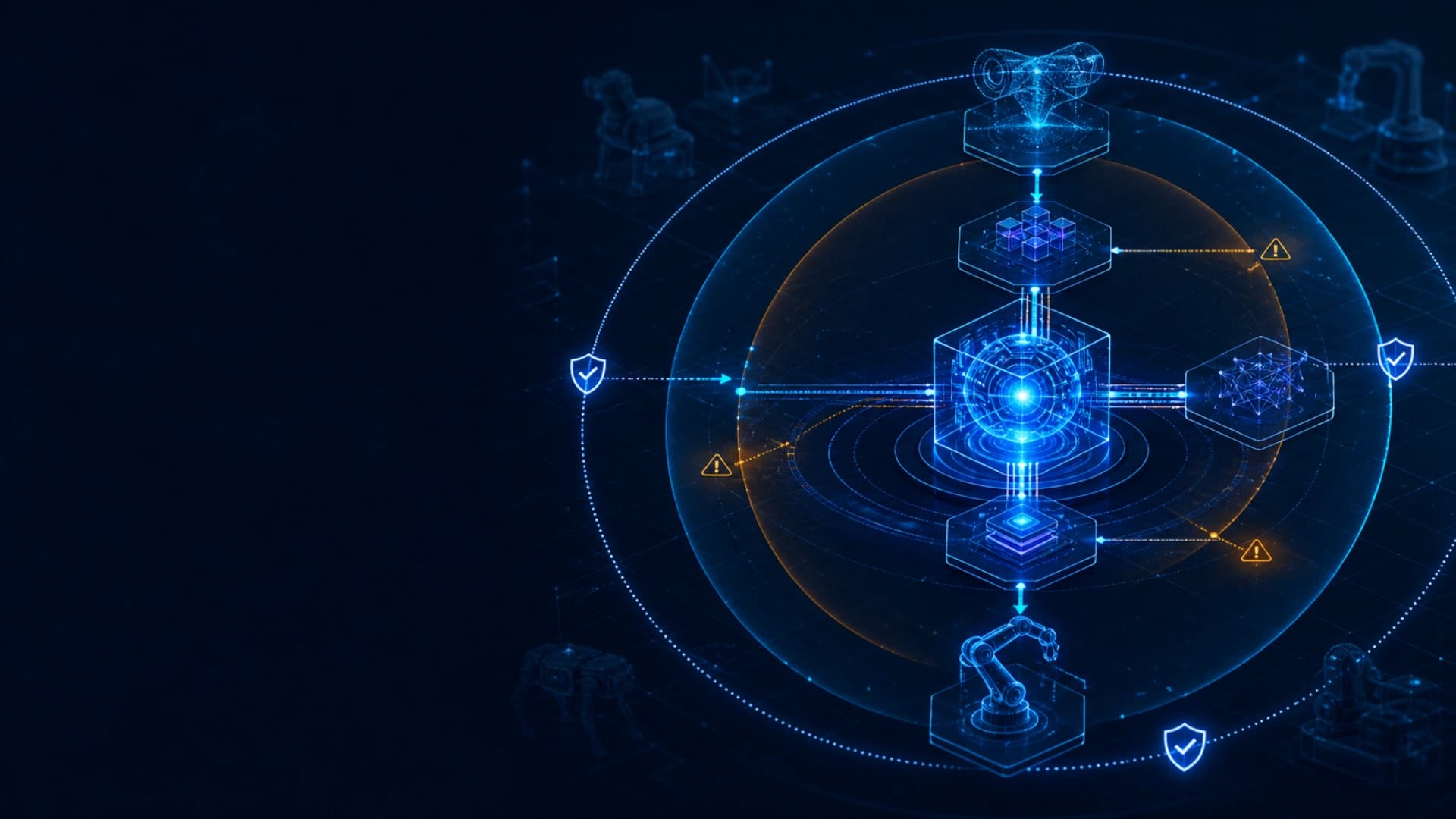
A new study maps embodied-agent security across 12 trust boundaries
An August 17 arXiv study organizes foundation-model-powered embodied-agent security into five layers and twelve attack surfaces, highlighting neglected memory, middleware, world-state, and multiagent risks.
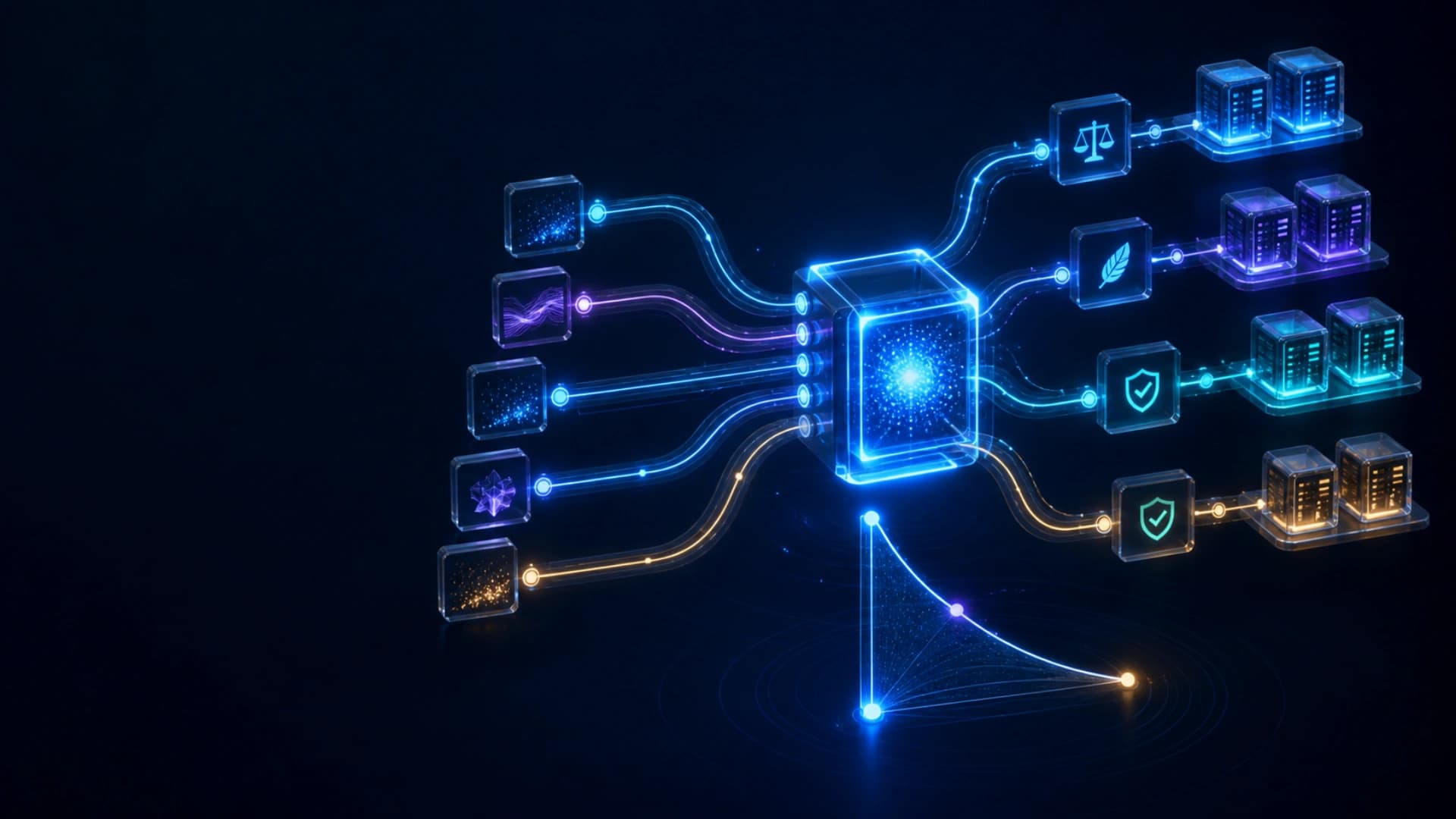
GenRouter routes agentic image workflows so complex prompts get the heavy pipeline
An August 17 arXiv preprint turns agentic image pipelines into a routable workflow space and reports lower cost and latency in the authors' experiments.

AI Research Preference Models help research agents decide which experiments deserve GPU time
An August 14 arXiv paper uses preference models to rank research candidates before expensive execution, reporting faster progress under a fixed compute budget.

Anthropic studies multiagent systems and finds that more agents do not guarantee better results
Anthropic's controlled experiments examine how multiagent teams amplify coordination failures, resource competition, conformity, and shared false conclusions.

GLM-5.3 targets long-horizon coding and cyber capability in one agent model
Z.ai's GLM-5.3 update combines post-training, terminal coding, long-horizon agents, and cyber evaluations, with vendor-run results that need local validation.

Qwen3.8-27B brings native vision, long context, and agent controls to an open model
Qwen's Qwen3.8-27B is a 27B dense vision-language model with 262K native context, 1M extension, and configurable reasoning effort for agent workflows.

Uniphore launches Marketing AI with customer digital twins and campaign simulation
Uniphore's Marketing AI combines per-customer digital twins, custom small language models, and campaign simulation, with vendor claims that require independent measurement.

Anthropic adds a text watermark to Claude outputs without proving authorship
Anthropic says future Claude models will carry an invisible text watermark that estimates Claude involvement, while carrying no user identity or authorship proof.
MODULE.002 //
需要協助或查詢更多?
告訴我們您的網站、維護或推廣需要,我們會盡快回覆。