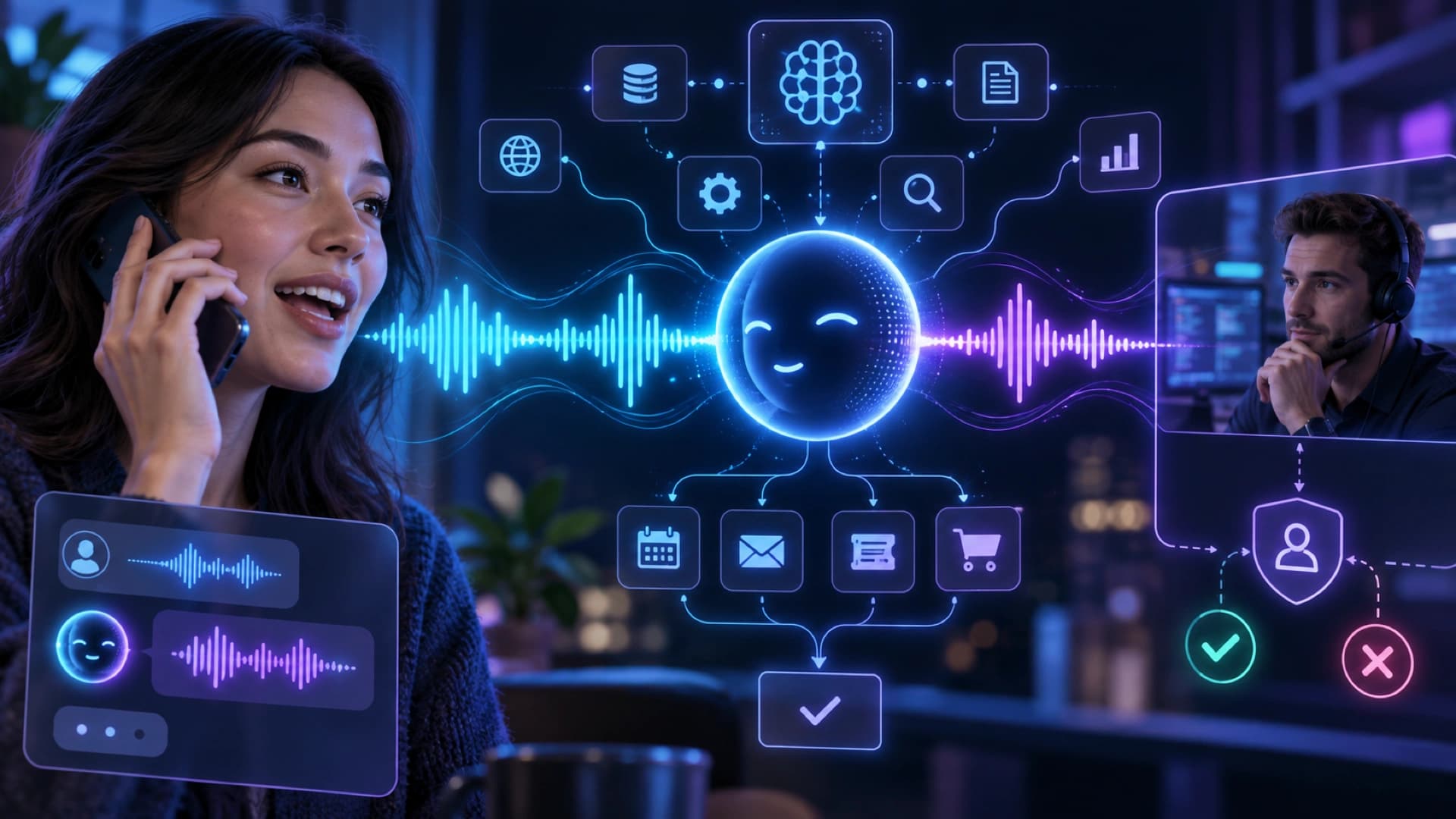
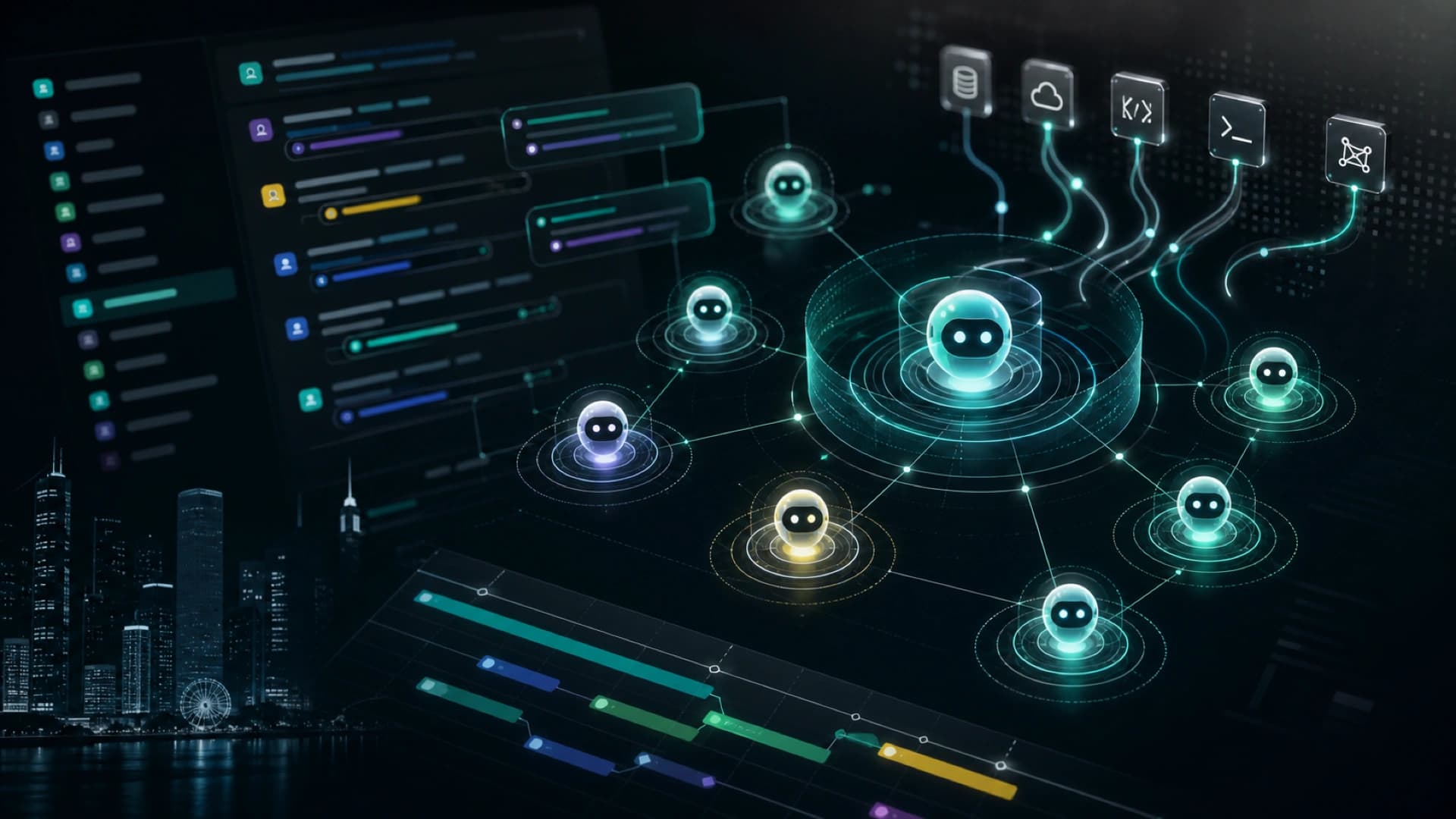
Anthropic introduced Claude Tag on June 23, 2026 as a way to bring Claude into Slack as a collaborative team agent. This is not simply a chatbot embedded in a message box. Claude joins selected channels as a managed shared identity. Team members can tag Claude, delegate work, and see the result in the same thread.
The important shift is that the unit of AI collaboration is moving from an individual chat to a team workflow. Many AI assistants only understand one user's private context, which makes handoff difficult. Claude Tag lets everyone in a channel see what Claude is doing and continue from the prior discussion, making the system feel closer to a teammate that can be jointly assigned work.
Anthropic emphasizes that Claude Tag can build working memory from channels. With administrator permission, Claude can access selected channels, tools, data, and codebases, then learn how the team works over time. That reduces the cost of repeatedly explaining context, especially for support tickets, product-metric investigations, bug root-cause analysis, and cross-functional handoffs.
Another core change is proactivity. When ambient behavior is enabled, Claude can surface relevant information, follow up on unresolved threads, and keep work moving. It can also schedule tasks for itself, letting a project advance asynchronously over hours or days. That moves the agent pattern from answering when asked to monitoring and progressing work inside a defined permission boundary.
Governance is central to the launch. Administrators can define separate Claude identities for different channels, tools, data scopes, memory boundaries, and token spend limits. Anthropic also says admins can review what Claude has done and who requested each task. Those controls matter because a shared agent in Slack can touch real company information and real operating workflows.
Claude Tag is available in beta for Claude Enterprise and Team customers and replaces the existing Claude in Slack app. Anthropic says an internal version is already a major part of how its product team works, and that the same pattern is moving beyond engineering into data, support, and problem diagnosis. That shows enterprise agent competition is not only about model quality. It is also about whether an agent fits naturally into daily collaboration tools.
The broader signal is that the next stage of AI agents may not be more standalone apps. It may be agents entering the surfaces where teams already work: Slack, Teams, GitHub, CRM, and ticketing systems. Useful agents need context, permissions, memory, spend controls, auditability, and human handoff, not just better replies.