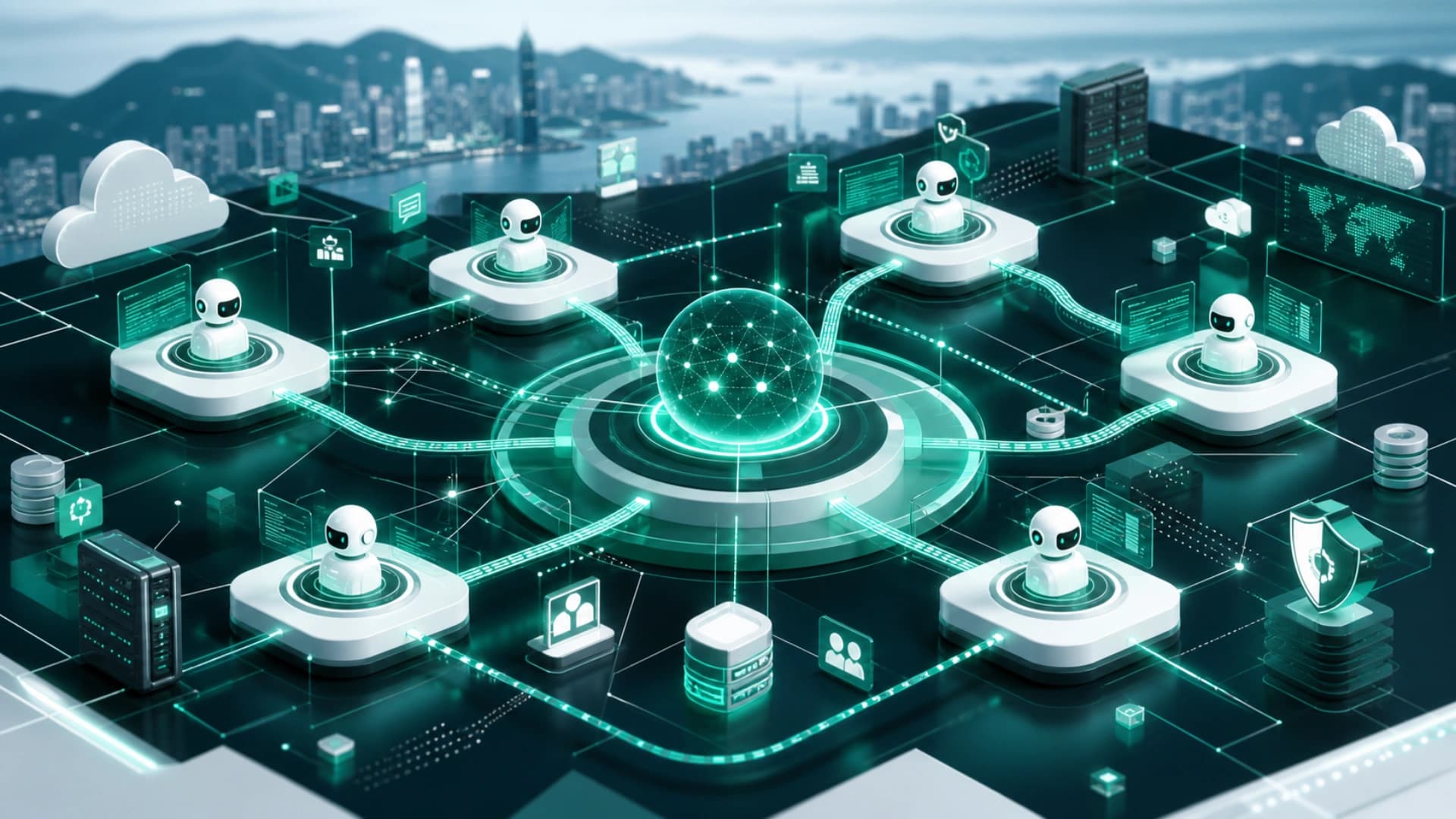
Google published an A2A anniversary update on June 18, 2026, focused on how AI agents can move from single tools into collaborative ecosystems that hand work to one another. The article is notable because it is no longer only about protocol specification. It explains why multi-agent architecture needs a different design from ordinary APIs.
Google's core point is that an agent is not just an API. APIs usually take fixed inputs and return fixed outputs. Real agents can interpret intent, ask clarifying questions, adjust a plan, manage state, and collaborate across long-running work. A2A provides a common language for that collaboration instead of reducing every agent to a stateless tool.
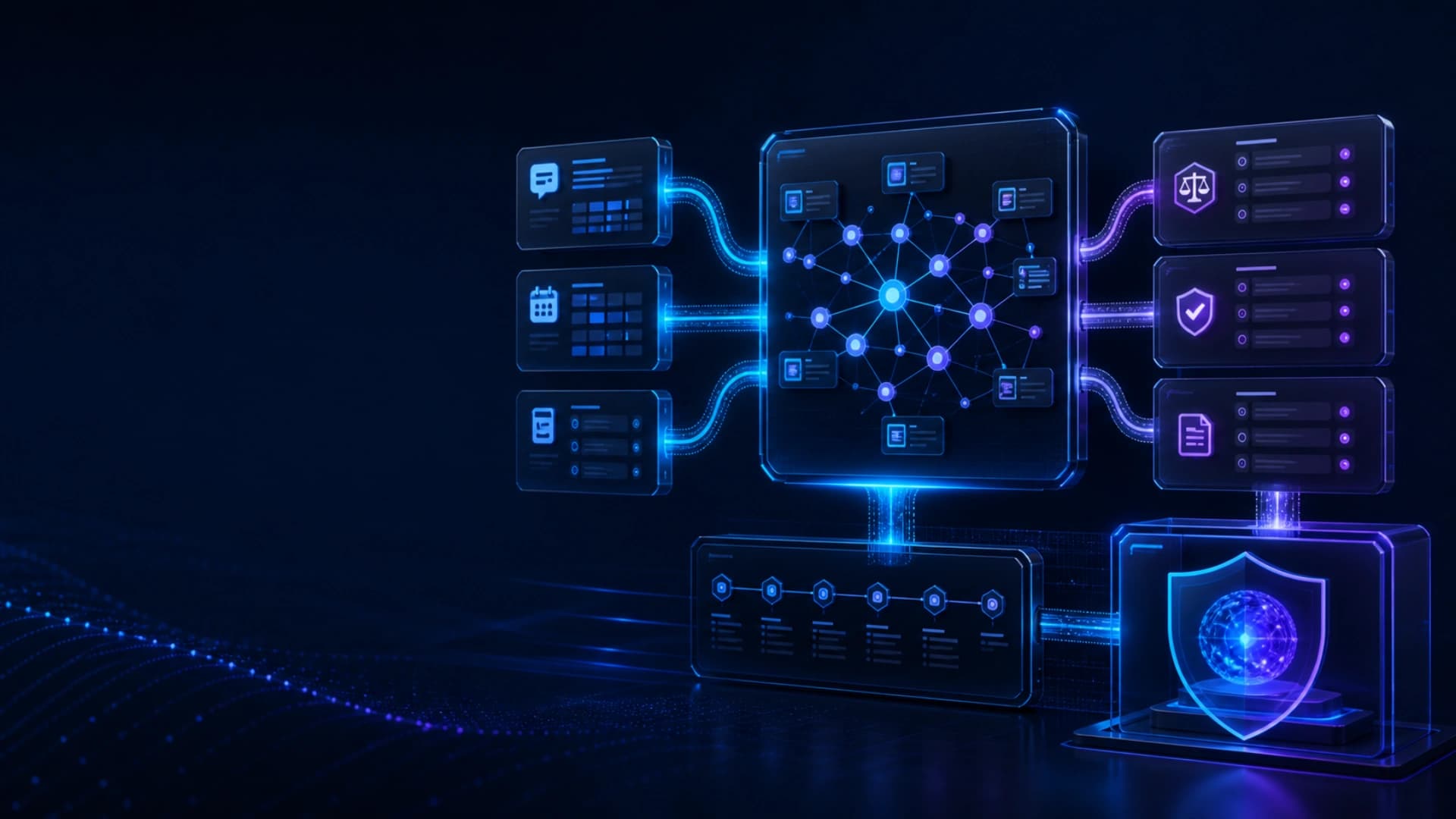
The article highlights several architectural advantages. The first is a secure boundary. An internal enterprise agent may need sensitive data or proprietary processes. A2A lets a primary agent delegate a task and receive the output without exposing all internal methods. The second is zero context pollution: specialized agents manage their own dependencies and internal state without filling the primary agent's context window.
The third advantage is dynamic autonomy. A traditional API typically returns data or fails. Agent-to-agent collaboration can push back, ask for missing context, refine the plan, or choose a better route. The fourth is workload distribution, where different teams, vendors, or managed services can own specialized agents and improve them independently.
Google uses FoldRun as a concrete example in life sciences. Instead of forcing developers to wire together many APIs, GPU resources, and model lifecycle steps for protein structure prediction, FoldRun wraps that complexity in an agentic interface. The user delegates the work and the specialized agent handles long-running autonomous decisions.
The article also points A2A toward agentic commerce, enterprise data streaming, cross-platform IT and DevOps, and regulated networks. The pattern is clear: the next phase of AI agents is not every platform building its own island. It is specialized agents handing tasks to one another within defined trust boundaries.
For enterprises, the lesson is that agent architecture should account for specialization, identity, data boundaries, and context management from the start. A single super-agent may be fine for a demo. Real workflows usually need multiple specialized agents: one for enquiries, one for document understanding, one for CRM updates, and one for approval or risk checks. Whether those agents can collaborate safely will decide whether they can move into production.