NVIDIA published a Nemotron 3 Ultra and LangChain Deep Agents update on July 8, 2026. The notable part is not only the benchmark result. It is that the post shifts the enterprise agent conversation away from models alone and toward the engineering of the system around the model.
According to NVIDIA, LangChain tuned its Deep Agents harness for Nemotron 3 Ultra and achieved the highest accuracy among open models, while completing more tasks at higher throughput and running at roughly one-tenth the inference cost per run of leading closed models. The post also says no model retraining was required. The gains came from engineering the execution environment around the model.
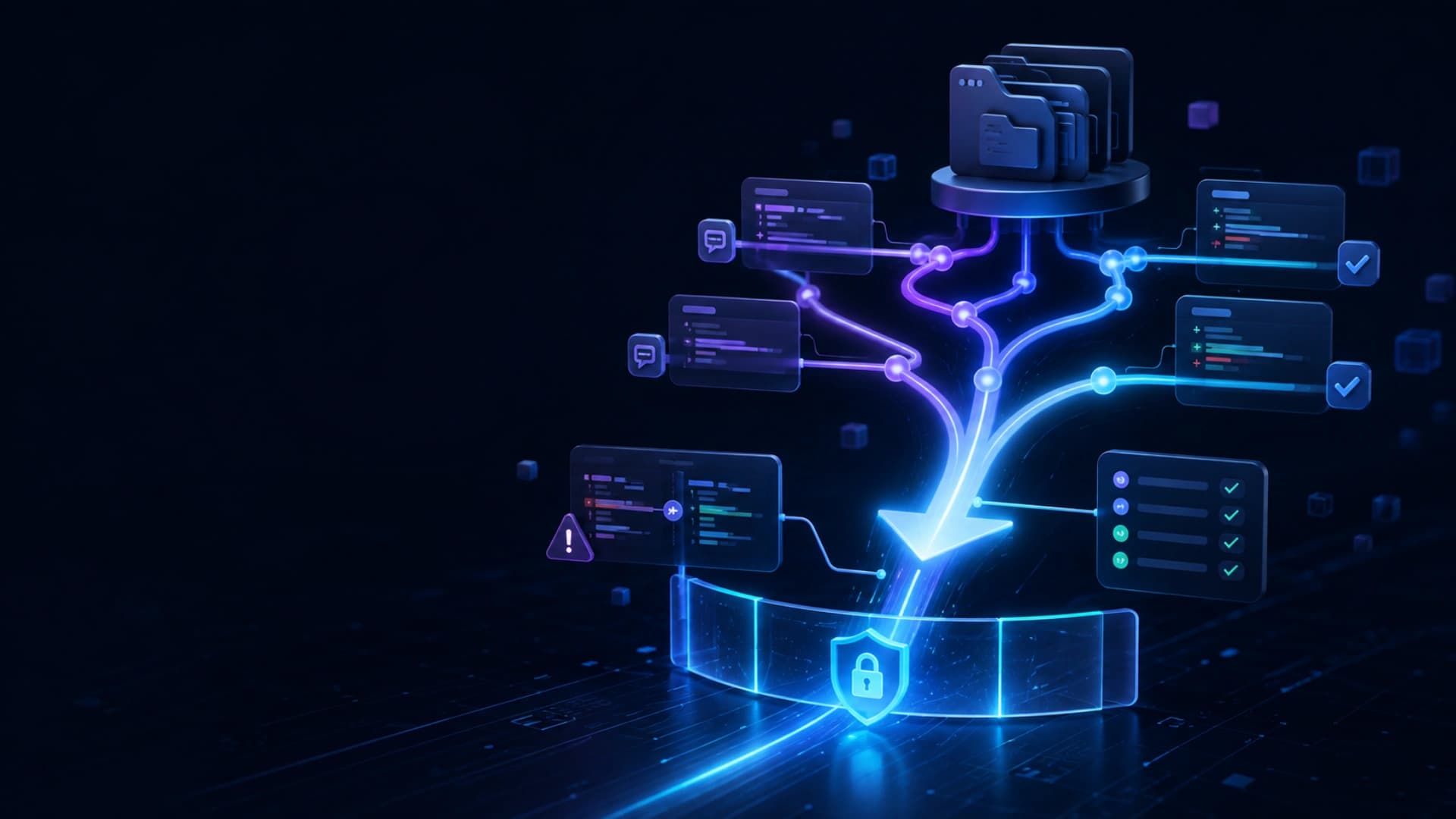
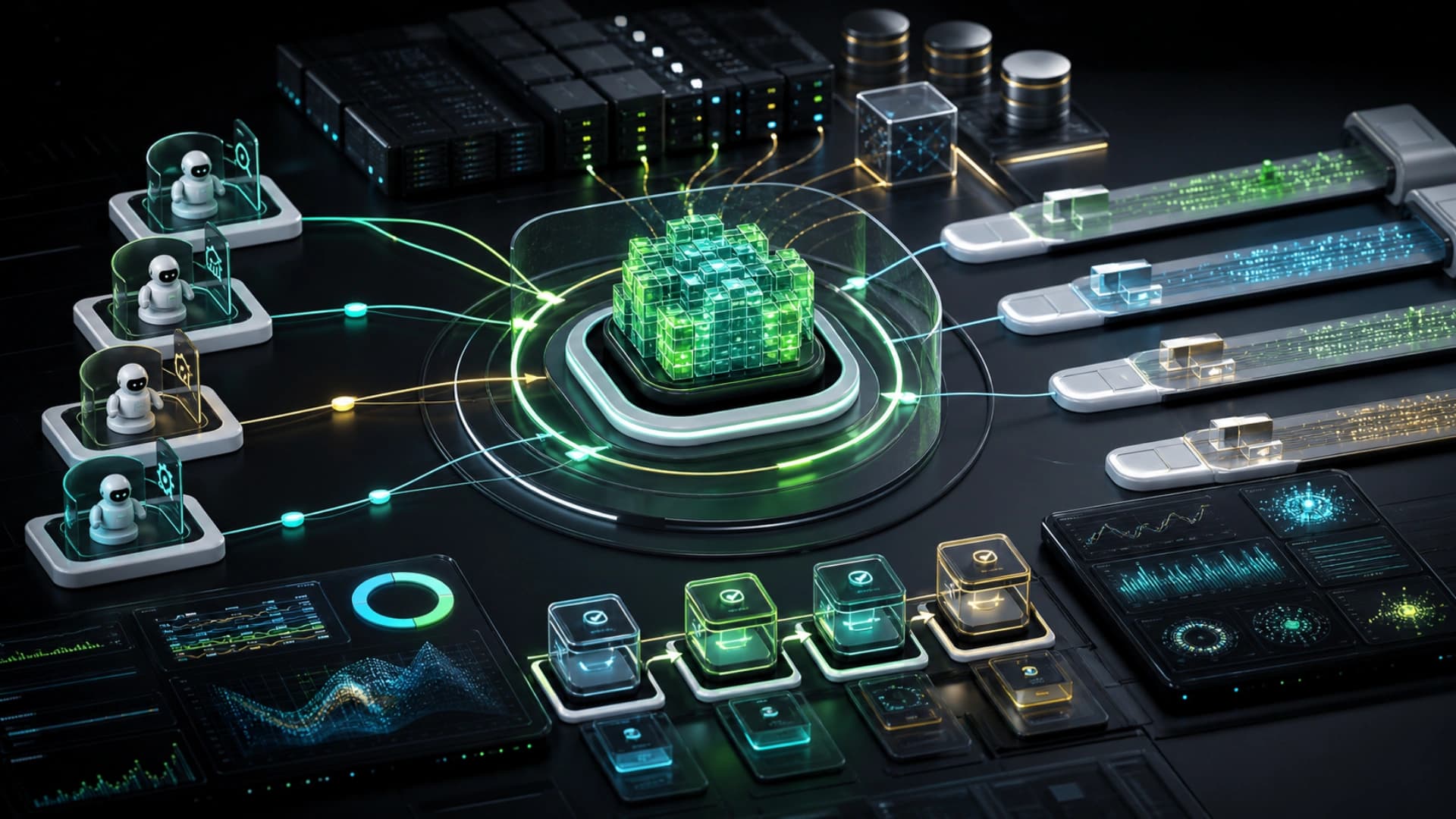
The keyword is harness engineering. LangChain ran Nemotron 3 Ultra against its public Deep Agents benchmark suite, then analyzed execution traces to see where the agent lost points. It then adjusted system prompts, tool descriptions, and middleware. In other words, improving agent capability does not always mean switching to a larger model. It can mean tuning memory, tool use, evaluation, and model behavior together.
That matters for enterprises. When an agent performs poorly, teams often assume the model is not strong enough. But failure can come from unclear tool schemas, loose prompts, weak middleware error handling, inconsistent memory design, or evaluators that do not measure the real business outcome. The NVIDIA and LangChain example puts those model-adjacent factors back at the center of engineering work.
The post also introduces NVIDIA NemoClaw for LangChain Deep Agents. It is an open reference blueprint that combines LangChain Deep Agents code, a tuned Nemotron 3 Ultra profile, and the NVIDIA OpenShell secure runtime for executing agent actions safely. NVIDIA frames the combination of open model, open harness, and open secure runtime as a way for enterprises to own the full stack and run it under their own infrastructure, cloud, and governance rules.
That distinction becomes more important as agents move into higher-stakes work. Once an agent shifts from answering questions to taking action in core systems, enterprises care about control, auditability, deployment location, and tool execution safety. NemoClaw's message is that agent systems can move from external black-box services toward tunable, governed internal stacks.
NVIDIA also names Abridge, Amdocs, Box, and EY as organizations embedding or supporting specialized agents. That shows agent adoption moving from general assistants toward industry-specific, workflow-specific systems with defined responsibility boundaries.
The practical takeaway is that enterprise agent competition will not only happen on model leaderboards. More value will come from harnesses, tool use, memory, evaluation, runtime security, and cost control. Teams that can tune those parts together may be able to build usable, controllable, lower-cost production agents on open models.